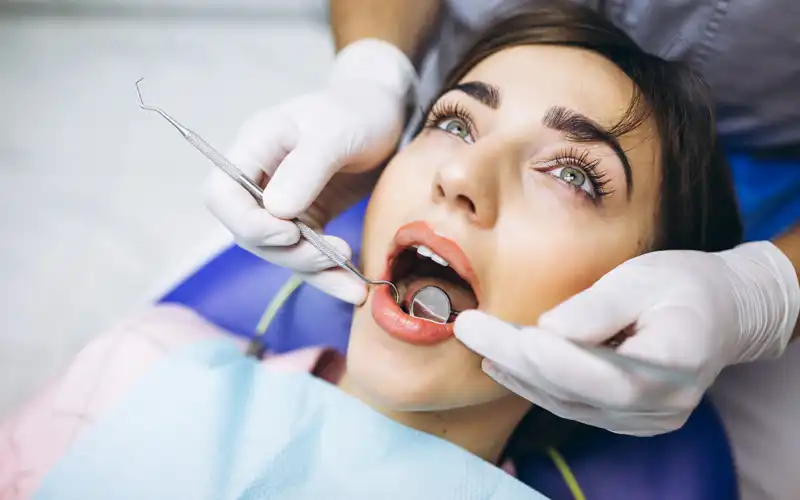
If you’ve ever wondered, “Do I really need to book a checkup every six months?” you aren’t alone. It’s one of the most common questions we hear at Dental At Forest Hill. While the “six-month rule” has been the standard for decades, the truth is that your dental needs are as unique as your smile.
Maintaining consistent oral health isn’t just about having a bright, confident grin; it’s about your overall wellness. Whether you are a regular flosser or someone who hasn’t been to a clinic in a while, understanding the right frequency for your visits is the key to preventing long-term issues. In this guide, we’ll explore how to determine the schedule that is best for you and why routine care is the ultimate “safety net” for your dental health.
Regular dental checkups help keep your smile healthy and prevent bigger problems later. Visit Dental At Forest Hill for personalised oral care.
Why Is Regular Dental Care Essential?
Think of a dental checkup like a tune-up for your car. You don’t wait for the engine to fail before getting an oil change; you perform maintenance to prevent a breakdown.
- Early Detection: Many issues—such as small cavities, early-stage gum disease, or even signs of oral cancer—don’t cause pain in the beginning. Professional exams allow us to catch these problems while they are still easily and affordably treated.
- Deep Cleaning: No matter how diligent you are with your toothbrush and floss, hardened plaque (tartar) can build up in hard-to-reach areas. Only a professional cleaning can safely remove this buildup.
- Preventive Guidance: We don’t just look at your teeth; we provide personalized advice on your diet, hygiene routine, and habits to keep your mouth healthy between visits.
Factors That Influence Your Visit Frequency
For many adults, a six-month checkup is the gold standard. However, your ideal schedule depends on your unique risk profile. We may recommend a shorter or longer interval based on several key factors:
1. Your Oral Hygiene Habits
If you maintain excellent home care—brushing twice daily and flossing consistently—and your exams show minimal plaque buildup, some patients can safely maintain their health with slightly less frequent visits. Conversely, if you struggle with consistent hygiene, more regular professional support can help prevent damage.
2. Genetic and Lifestyle Risk Factors
Some people are simply more prone to cavities or gum disease due to genetics. Additionally, factors like smoking, diabetes, pregnancy, or taking medications that cause dry mouth can increase your risk, requiring us to monitor your health more closely—often every 3 to 4 months.
3. Existing Dental Work
If you have dental implants, crowns, bridges, or orthodontic aligners, these structures require closer monitoring to ensure they remain secure and free of surrounding inflammation.
Frequently Asked Questions - FAQ's
Q: If my tooth stops hurting, does that mean the infection is gone?
Unfortunately, no. If a severe toothache suddenly disappears, it often means the nerve has died. The infection is still there and will continue to spread into the jawbone if not treated.
Q: Is it really necessary to see a dentist every six months?
A: While the six-month interval is a proven benchmark for most people, it isn’t a one-size-fits-all rule. Some individuals with high-risk factors may benefit from 3- or 4-month visits, while low-risk patients with excellent oral health may safely extend their intervals under professional guidance. Your dentist will determine your specific schedule.
Q: What happens if I skip my dental checkup?
A: Skipping visits often allows minor issues, like small cavities or early gum inflammation, to progress into more significant, painful, and expensive problems. Regular checkups act as a preventive measure, catching small concerns before they evolve into complex conditions that require restorative procedures like root canals or extractions.
Q: Can my dentist tell if I haven't been flossing?
A: Yes, your dental team can usually tell. Signs of infrequent flossing often include inflamed, bleeding gums (gingivitis) and plaque buildup between the teeth. We don’t ask to judge you; we ask so we can provide you with the best tools and techniques to improve your gum health and prevent future discomfort.
Q: Why do you check for oral cancer at every visit?
A: Oral cancer is a serious condition that can develop without obvious symptoms. Because early detection is critical for successful treatment, we perform a routine, non-invasive oral cancer screening during every comprehensive checkup. It only takes a minute, but it is one of the most important parts of your preventive care.
Q: Does dental insurance cover regular cleanings?
A: Most dental insurance plans cover preventive cleanings and exams at 100%, meaning these visits often cost you nothing out-of-pocket. It is a highly effective way to use your benefits while avoiding the high costs associated with emergency procedures or restorative treatments later on.
Ready to Refresh Your Smile?
Whether you are due for your routine cleaning or it has been a little longer than planned, we are here to help. At Dental At Forest Hill, we pride ourselves on a welcoming, judgment-free environment designed to put you at ease.
Don’t wait for a toothache to start your journey toward better health.
Disclaimer: This blog post is for educational purposes and does not replace professional dental advice. Always consult with your dentist to determine the best treatment and checkup schedule for your specific needs.